



20
15 Min.
Which phone has the best camera in 2024? Summer is over and the most important camera smartphones, led by the Google Pixel 9 Pro XL, are available to buy. In this article, we show you our five favorites and provide you with buying advice at the same time. Find out which camera phones you should buy—and what to look out for.
2
13 Min.
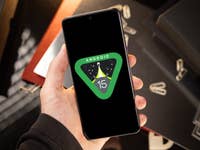
Android 15 is finally here. After a staggered launch, Google started distributing the 2024 update of its mobile operating system to its Pixel phones. The Pixels were even beaten by Chinese brand Vivo, who launched its Android 15 release before, based on the official AOSP release. Let’s take a look at the main changes and new features brought by Android 15.

0
9 Min.
With the Delta Pro 3, EcoFlow is launching its largest and most powerful power station to date. The device has a capacity of 4 kWh and a constant output power of 4,000 W. In our detailed test, we reveal how the model impressed us and whether we recommend the $3,699 EcoFlow power station.

0
2 Min.
Following a complete revamp of Control Center in iOS 18, Apple continues to add refinements. The latest iOS 18.1 Beta introduces two dedicated connectivity toggles, allowing users to access them more quickly. Here’s a quick guide on how to customize Control Center with these new buttons on your iPhone.
0
2 Min.
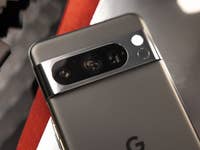
Google’s new Ultra HDR imaging format offers several advantages, such as preserving a wider range of details and being optimized for most displays. However, it has the drawback of losing the preserved quality in edited images. AI-powered updates to Google Photos are addressing this shortcoming.

0
2 Min.
Google has recently enhanced its Google Flights service, adding features such as displaying carbon emissions for trips and allowing users to find flights via a map. The latter feature gained attention when users discovered they could easily find cheaper airfare compared to other platforms. Now, Google is expanding this feature with a new dedicated tab.
Don’t miss: How to use video search feature on Google Lens

0
9 Min.
Wearables are getting smarter, and AI is leading the charge. Every month seems to bring a fresh AI-powered feature from a new wearable company or an update from the old guard. Take Fitbit, for instance—they just rolled out a smarter health service thanks to a Gemini update. This got me diving deep into the world of AI coaches on wearables. The results? Some companies have really fine-tuned their AI, proving that AI isn’t just an add-on—it’s a game-changer for wearable tech.

0
2 Min.
The Federal Communications Commission (FCC) has announced a formal inquiry into the use of data caps by broadband providers and the impact of these practices on consumers and businesses. As part of this effort, the FCC is inviting public comments on the use of capped fixed and mobile broadband services.
Also read: Diagnose and Fix Internet Issues on your Smartphone
0
2 Min.
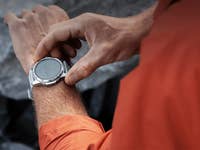
Mobvoi is one of the remaining major brands that still manufactures Wear OS smartwatches or one that hasn’t switched to a proprietary wearable OS. It continued to launch new watches, but these were rather iterations of the TicWatch Pro 5. The newly announced TicWatch Altas is no different, bringing a new design and tougher build along with the same specs as the current Enduro model. Here’s how they differ.
0
4 Min.
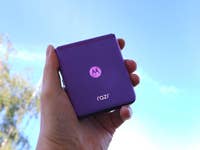
Motorola is one of the companies that is launching its own suite of AI tools via Moto AI. Following the brief preview of Moto AI last year, the company has now given an update on the development of its AI offering, which will receive a new set of features while some remain experimental. However, most of these are still in beta with no details on how one could obtain them.
Also read: Top Must-Have AI features on your smartphone